Should you clean an old coin at all?
Usually, no. The American Numismatic Association advises against cleaning: a worn coin may become shiny while remaining worn, and cleaning generally lowers its value. Experienced collectors can often recognize the result.
The Canadian Conservation Institute notes that many collectors prize patina and toning, the surface changes that develop over time. NGC explains that improper cleaning can remove metal permanently; some such coins receive a Details grade instead of a numeric grade, making their value more subjective.
Sort the find before you touch it
Use the coin identification charts first; the US coin chart helps narrow a possible US issue. If you inherited a coin and cannot identify it, seek an informed opinion before washing it.
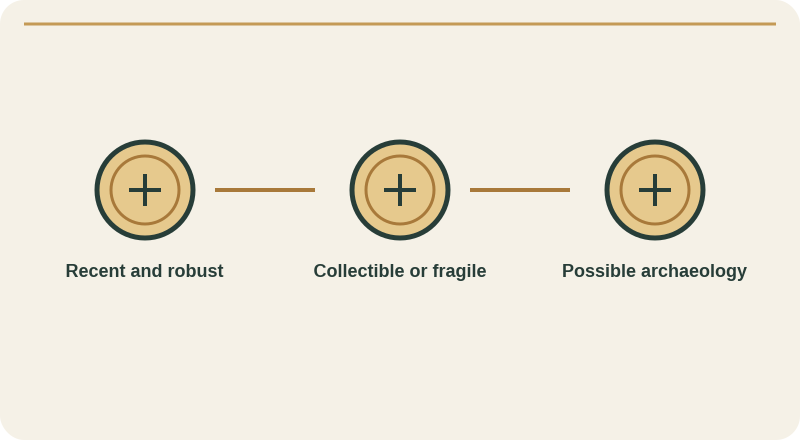
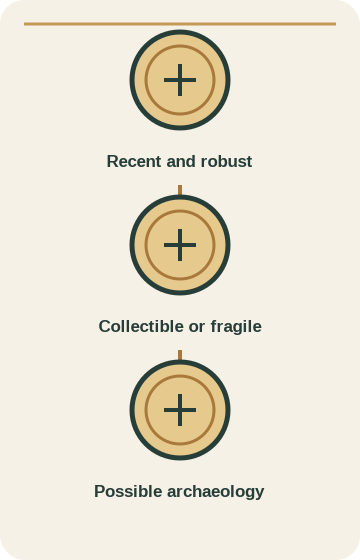
- Recent, robust coins: Britain's Portable Antiquities Scheme (PAS) says many more recent finds, including machine-struck coins, can be carefully cleaned.
- Older, corroded, or collectible coins: Leave the surface intact and ask for advice. PAS notes that patina on older copper alloys can add value and contain information.
- Possible archaeological finds: Do not wash them. For a US find, consult the land manager and see the Florida old-find guide or places and rules.
In England and Wales, PAS advises against cleaning a potential Treasure find yourself and explains the reporting process. That guidance applies to those countries, not automatically to a US find.
A gentle wash, step by step
Use this only after deciding that the coin is robust and appropriate to wash. If its identity or condition is uncertain, stop and ask a conservator instead.
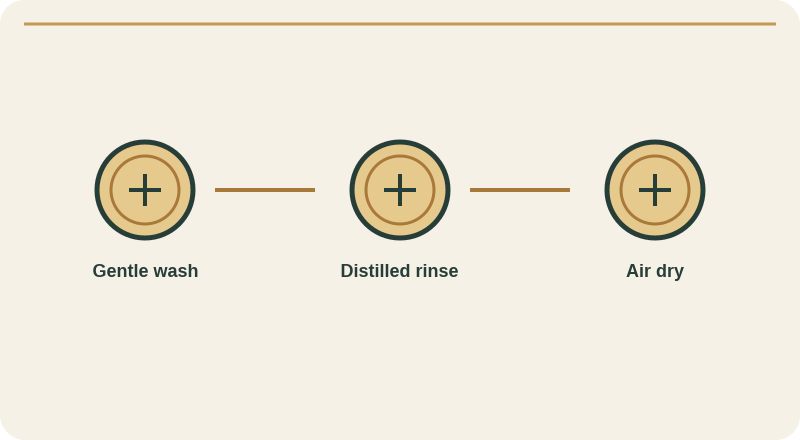
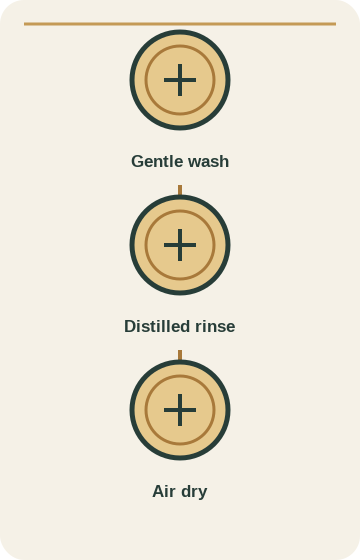
- Place one coin in a plastic bowl with lukewarm distilled water and diluted mild dish soap. Do not scrub.
- If needed, use a soft brush only on loose soil. Do not leave the coin soaking; replace cloudy water.
- Rinse with distilled water. Let it air dry at room temperature or gently pat it dry; avoid sudden heat.
This combines the institute's gentle wash with PAS guidance for robust finds. It is not a method for stripping corrosion or restoring a shine.
What should you avoid, and what does past cleaning look like?
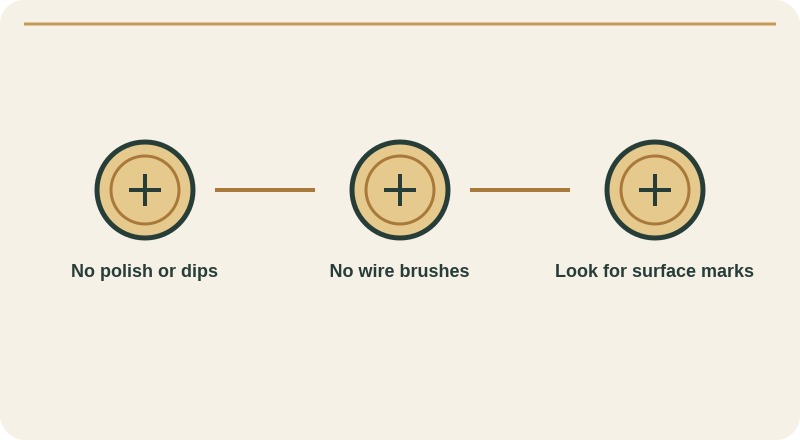
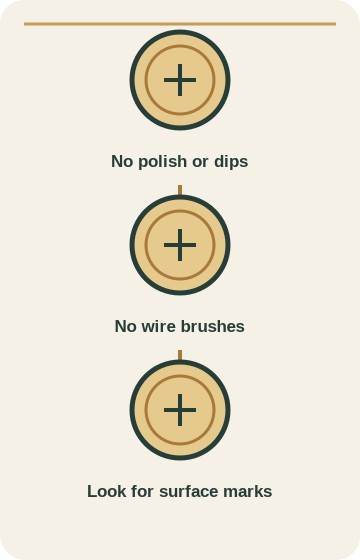
Skip coin dips, metal polish, polishing wadding, abrasives, wire brushes, and tumblers. The Canadian Conservation Institute says dips contain acids and that abrasive particles in most metal cleaners can scratch the surface; PAS warns that harsh mechanical methods can damage finds.
Avoid household acids such as vinegar and lemon juice: PAS warns they can harm metal surfaces. The conservation sources cited below do not specifically assess cola or hydrogen peroxide on coins, so do not experiment with either.
NGC describes parallel hairline marks that cross both the flat background and raised design as a possible sign of improper cleaning. A uniformly grainy surface or unusual copper color can also be clues, not a certain diagnosis.
How should you store a coin and get advice?
Hold a coin by its edge. The Canadian Conservation Institute recommends clean cotton gloves; use cotton for silver because latex can contribute to tarnishing.
Choose a PVC-free holder and a dry place. The institute warns that PVC can cause green corrosion on copper alloys; it suggests silica gel to create a dry environment when corrosion appears. Fragile archaeological coins may need a supported box instead of a flip.
For a collectible coin, consider a professional conservation service or conservator. PAS notes that an X-ray can sometimes reveal details under corrosion without cleaning. For finds in England, a Finds Liaison Officer can help with identification and advice.
Common questions
Can vinegar clean an old coin?
Keep vinegar away from the coin. Britain’s Portable Antiquities Scheme warns that vinegar can damage metal surfaces.
Can I use mild dish soap?
A diluted mild soap and distilled water wash is an option for a suitable robust coin. Do not wash a fragile, collectible, or potentially archaeological find without advice.
How should I clean old silver coins?
Leave collectible silver alone and ask a conservator for advice. Many collectors value the color that develops on silver over time.
Will cleaning raise a coin's value?
Cleaning generally reduces value, according to the American Numismatic Association. An experienced collector can often recognize a cleaned surface.